Burnout & rest
Burnout or Just Tired? Signs to Watch For and a Gentle Recovery Plan
How to tell ordinary tiredness from burnout, the three core signs, and a realistic recovery plan covering rest, boundaries, sleep and support.
Everyone gets tired. A bad night's sleep, a busy week or a tough project can leave you drained. But tiredness usually lifts after a weekend off or a good night's rest. Burnout doesn't.
The World Health Organization describes burnout as an occupational phenomenon resulting from chronic workplace stress that has not been successfully managed. It is characterised by three things:
- Exhaustion: feeling depleted, physically and emotionally.
- Mental distance or cynicism: feeling detached, negative or cynical about your job.
- Reduced effectiveness: struggling to concentrate, get things done or feel competent.
Burnout is most often discussed in relation to work, but many people experience something similar from caregiving, parenting or long periods of stress.
Tired vs. burnt out: a quick comparison
Tired usually means:
- Rest helps
- You still care about your work and life
- You can imagine feeling better soon
Burnt out often means:
- Rest doesn't seem to touch the exhaustion
- You feel numb, cynical or detached
- Small tasks feel overwhelming
- You dread Monday by Saturday afternoon
- You have physical symptoms such as headaches, poor sleep, frequent illness or stomach problems
- Things that used to bring you joy feel flat
If several items on the second list sound familiar and have lasted weeks or months, it is worth taking seriously.
Who is most at risk
Burnout is common among people who care a lot: teachers, nurses, carers, social workers, parents, people-pleasers and high achievers. It is often linked to:
- High demands with little control
- Unclear expectations
- Lack of recognition
- Unfair treatment
- Values that clash with the work
- Little time for recovery
That last point matters. Burnout isn't only about how hard you work. It is about the balance between demand and recovery.
A gentle recovery plan
Recovery isn't a weekend at a spa. It is usually a gradual process of reducing load and rebuilding reserves.
1. Acknowledge it
The first step is admitting that you are not just "a bit tired". Many people push on for months because stopping feels like failure. It isn't. It is information.
2. Reduce demand where you can
List everything you are carrying, at work and at home, and sort it:
- What can you stop?
- What can you delegate or share?
- What can you do to a "good enough" standard instead of perfectly?
- What can wait?
Even small reductions create breathing room.
3. Protect your boundaries
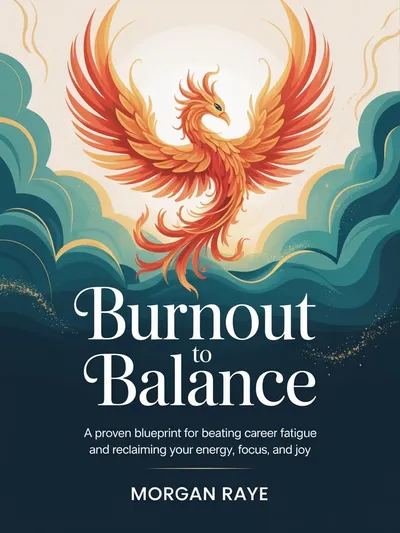
Boundaries are how you stop burnout from coming back. That might mean finishing work at a set time, turning off notifications in the evening, or saying "I can't take that on this month." If saying no feels impossible, start with small, low-stakes boundaries and build up. Burnout to Balance covers warning signs, a three-tier recovery framework and how to set boundaries without guilt, even for people-pleasers.
4. Prioritise sleep
Sleep is when the body and brain repair. Burnout often disrupts it, creating a vicious circle. Basics that help:
- Consistent wake-up time, even at weekends
- Daylight in the morning
- A wind-down routine without screens for the last 30 to 60 minutes
- Keeping the bedroom cool, dark and quiet
- Limiting caffeine after midday
The Sleep Reset Blueprint goes deeper into techniques for falling asleep faster and sleeping more deeply.
5. Add tiny restorative moments
When you are burnt out, big self-care plans feel like another task. Go small: five minutes outside, a cup of tea without your phone, a short walk at lunch, a song you love. These micro-breaks help the nervous system shift out of constant stress mode.
6. Reconnect with people
Burnout tends to isolate. Even when socialising feels like too much, low-effort connection, like a walk with a friend or a short phone call, can help.
7. Process what you are carrying
For many caring professionals, burnout is tangled up with grief and loss: patients, clients, colleagues, or personal losses that never had space to be felt. Writing can help. Heal From Burnout, Grief, & Loss is a guided journal designed for overwhelmed helpers, with prompts to process grief and build resilience.
8. Reassess the bigger picture
Once you have some energy back, it is worth asking whether something needs to change long term: a role, a workload, a career. For some people, burnout is a signal that it is time for a new chapter. Second Act Strong is about reinventing your career and life at any age.
When to get help
Talk to your doctor if:
- Exhaustion persists despite rest
- You feel hopeless, persistently low or anxious
- You are using alcohol or other substances to cope
- You have physical symptoms that concern you
Burnout can overlap with depression, anxiety and physical health conditions, so a proper check-up matters. If you ever have thoughts of harming yourself, contact emergency services or a crisis line straight away.
The takeaway
Tiredness is fixed by rest. Burnout is fixed by change: less demand, more recovery and boundaries that protect your energy. Start with one small step this week, and remember that slowing down isn't giving up. It is how you get back to yourself.
This article is general information, not medical or mental health advice. If you are struggling, please speak to your doctor or a qualified therapist.